Jacquie J Sarah - Writer

Jacquie J Sarah
Profile
Jacquie J Sarah is a Cardiff-based comedy and drama writer with a sharp eye for the chaos of everyday life. Her work blends wit, emotional insight, and razor-sharp dialogue, focusing on stories that are awkward, relatable, and painfully funny.
She’s a BAFTA Connect Member, experienced Script Editor, and Reader, with a deep understanding of structure, tone, and character. Whether she’s writing original material or supporting others to elevate theirs, Jacquie brings clarity, pace, and emotional precision to the page.
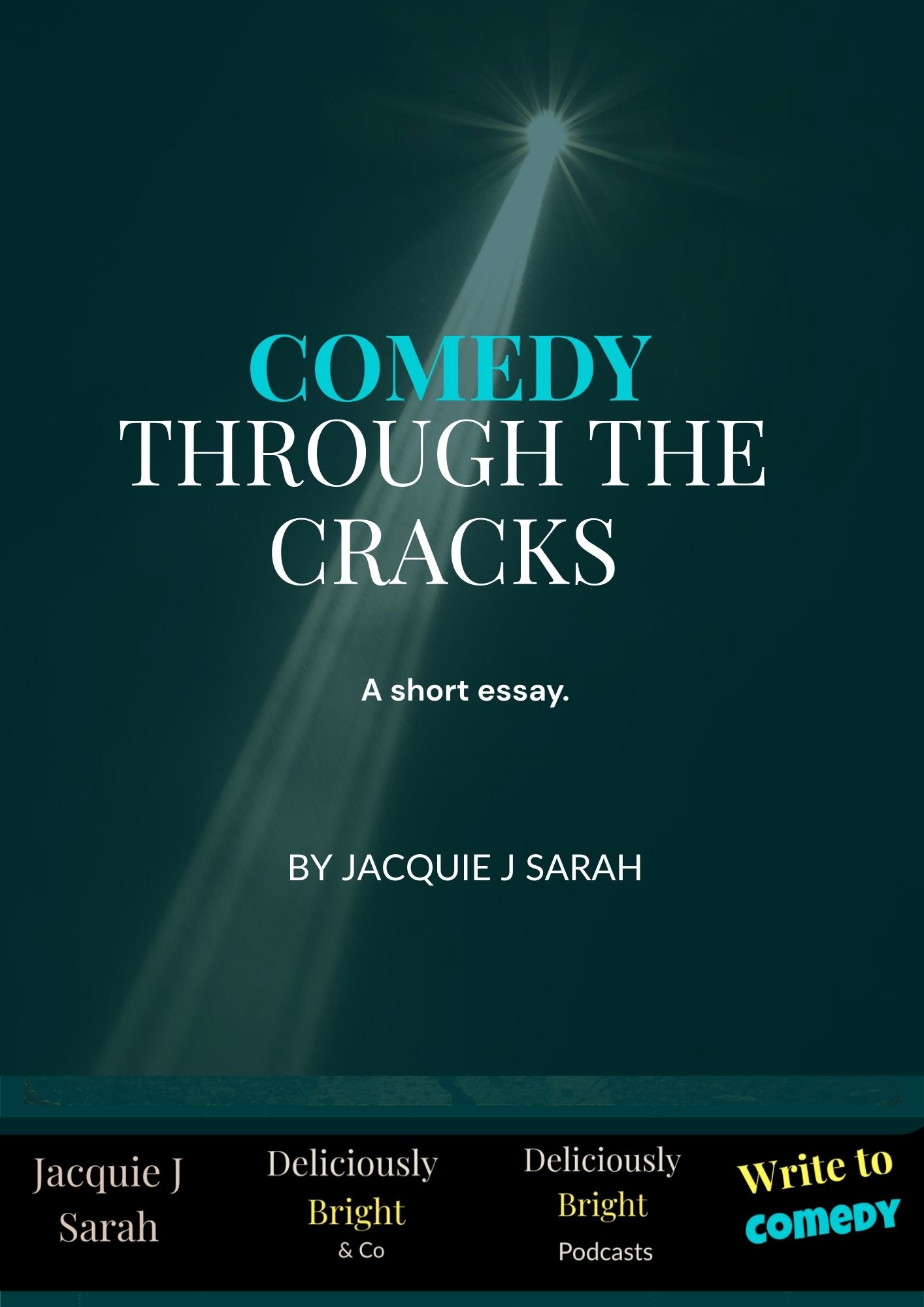
Comedy Through the Cracks
A free exclusive PDF essay.
If life keeps cracking at the edges, you might as well laugh at the draft.
Comedy Through the Cracks is my short, honest take on why comedy endures — and why we need it when we’re one awkward moment away from combusting.
Download it to remember why humour endures (and why we need it more than ever).
Ready to build the life of your dreams?

Let's chat
Ready to work with a coach to uplevel your life and business?
Listen to the
Podcast
view my
services
read the
BLOG
Let's chat
Ready to work with a coach to uplevel your life and business?

Let's learn
Learn at your own pace and make quantum leaps.
Student Love Notes
We've helped so many incredible students to find success as Virtual Assistants...

The VA Business Blueprint helped me to go from feeling completely stuck to starting my business and getting my first client!
Ellen, business name

I enrolled in the VA Services Academy feeling completely lost - within 2 weeks I knew exactly what to offer & what to charge.
Ellen, business name

Beginner to Booked Out was a game-changer for me. Anna and her team are incredible and I'm booked out for the next 3 months!
Ellen, business name
Popular on W rite to Comedy
The Genius of Moira Rose:
And the Woman Who Gave Her a Voice
Eight Sitcom Heroes Who Haven’t Aged Well.
Why rewatching feels different now.
The Perfect Comedy Goodbye:
The Endings That Actually Earned It
Recent Podcast Episodes on Deliciously Bright Podcasts
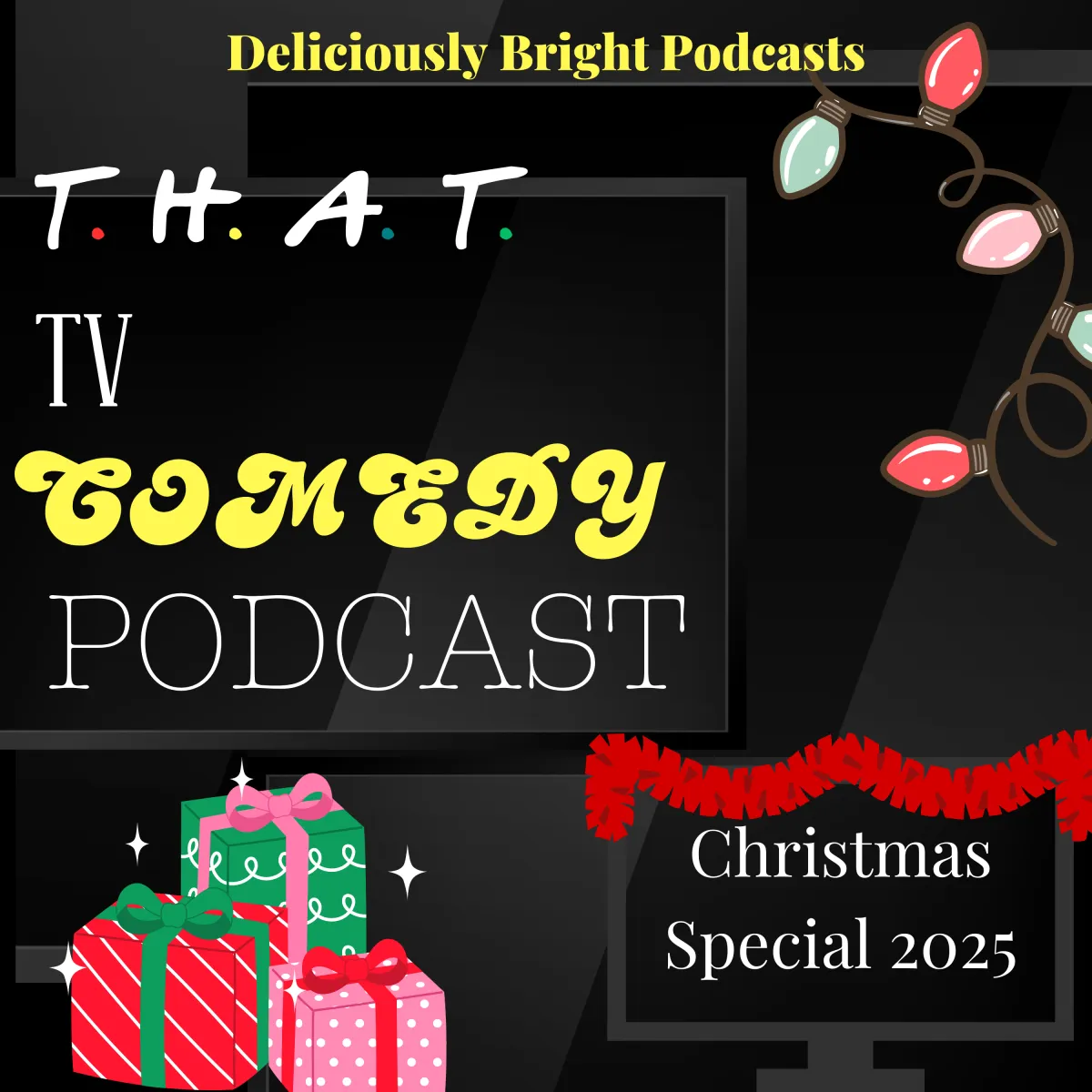
That TV Comedy Podcast Christmas Special 2025
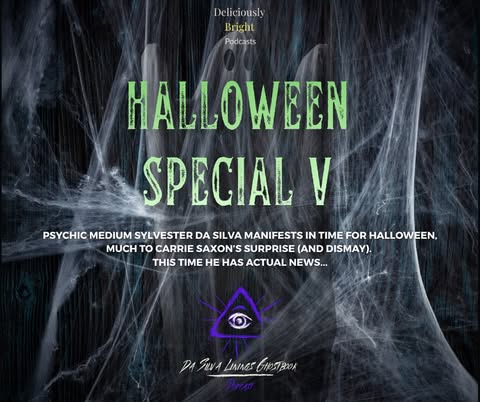
Da Silva Linings Ghostbook Podcast
Halloween 5 2025
New on the blog...

Why I Love Comedy (And I Am Not Sorry)
(prefer to listen than read? Here is the audio version of the blog.)
For the past few weeks, I’ve had a quiet wobble. Not about whether I can write. Not about whether I understand structure. But about whether I even like comedy. Being asked to approach comedy in a particular way made me feel strangely resistant. As if I were being handed a very specific tool and told this was the engine. Delusion. Amplify it. Build from it.
And something in me went, meh. Which is unsettling when you have built an entire platform analysing comedy.
But here’s what I’ve realised. I don’t dislike comedy. I dislike hollow comedy.
There’s a difference.
Origin Story
I don’t remember a time when I wasn’t obsessed with comedy.
One of my earliest memories is sitting in a living room watching Fawlty Towers. The hotel sign read “Flowery Twats”. All the adults burst out laughing. I was very small. I didn’t know what it meant. I asked my grandfather.
That’s what stuck. Not the word itself. The room. The reaction. The sense that something collective had just happened and I wanted to understand it. Comedy felt like a door. If you understood it, you were inside.
We were a strict household when it came to what we watched. Drama was monitored. Films were questioned. Age ratings mattered. But comedy got a pass. We were watching Billy Connolly effing and jeffing across the stage and somehow that was fine because it was funny.
That fascinated me.
Comedy could say things other genres weren’t allowed to say. It could slip sharp truths past the gatekeepers. It could wrap something uncomfortable in warmth and make it bearable. I didn’t have the language for it then, but I was already using comedy to make sense of the world.
If something confusing happened, I looked for the joke in it. If something hurt, I looked for the pattern. Comedy didn’t minimise reality. It helped me process it.
Even now, when I’m angry, I don’t reach for silence. I reach for something I love. A familiar episode. A voice I know. Not to erase the anger, but to let it move through me. Comedy doesn’t make things smaller. It makes them manageable.
Split-Second Chill
What gives me that split-second chill is still the same thing. Three generations in a room laughing at the same moment. Not staggered laughter. Not polite smiles. Proper, unified laughter. For a second, no one is isolated. No one is explaining themselves. No one is arguing politics or parenting styles or life choices. You are simply there. Together.
That’s not fluff.
That’s connection.
Overthinker
Over time, I realised I wasn’t just enjoying comedy. I was studying it. Not academically. Instinctively.
Why did that character feel worth protecting?
Why did that one feel thin?
Why did some shows feel like a place you could live in and others feel like a sequence of jokes?
The comedy I love isn’t built on humiliation. It isn’t about pointing at someone and saying, “Look at this idiot.” It’s about recognition. “Oh God, that’s me.” Flawed. Defensive. Trying too hard. Getting it wrong in public. Wanting to belong.
The best comedy puts those people in a room together. A workplace. A family. A friendship group. It forces proximity. It forces negotiation. It forces them to show up again tomorrow.
Even if they don’t grow.
Even if they never learn.
Even if they are still mildly deluded.
They are not alone. And that matters to me.
Empty Comedy
What knocks comedy out of me isn’t anger or darkness. It’s emptiness. When characters feel like devices rather than people, when the joke floats without emotional consequence, I lose interest. I don’t need comedy to be kind. I need it to be alive. Alive means someone cares. Someone is affected. Someone reacts. Someone stays.
One-note delusion without relational texture feels clinical. And clinical comedy drains me.
That realisation has been oddly liberating. I don’t hate comedy. I hate emotional vacancy.
I Don’t Want To Go
This is also why I want to write stories where readers don’t want to leave the world. Clever is lovely. I like clever. I understand structure. I appreciate precision. But what I want most is for someone to say, “I didn’t want to leave them.” Not because everything was neat. Not because everyone redeemed themselves. But because the room felt real. The people felt human. The world felt somewhere you could sit for a while.
We live in a time when it feels like the worst people are in charge. Where cynicism is mistaken for intelligence. Where cruelty is framed as boldness.
I don’t need to write about people who are beyond redemption. We see enough of them.
Comedy, at its best, reminds us that most of us are not monsters. We are messy. Petty. Loving. Annoying. Hopeful. Worth staying in the room with.
Shared laughter collapses time. Childhood, adulthood, now. It makes the world briefly coherent.
That’s what I’ve been chasing since I was small enough to ask my grandfather what “Flowery Twats” meant.
Not the punchline.
The clarity.
Comedy is how I make sense of the world.
And I don’t apologise for wanting it to have a heartbeat.
Did anything resonate? Do you think I still don't like comedy? What is your comedy origin story? Let me know by clicking here.
You may also like:
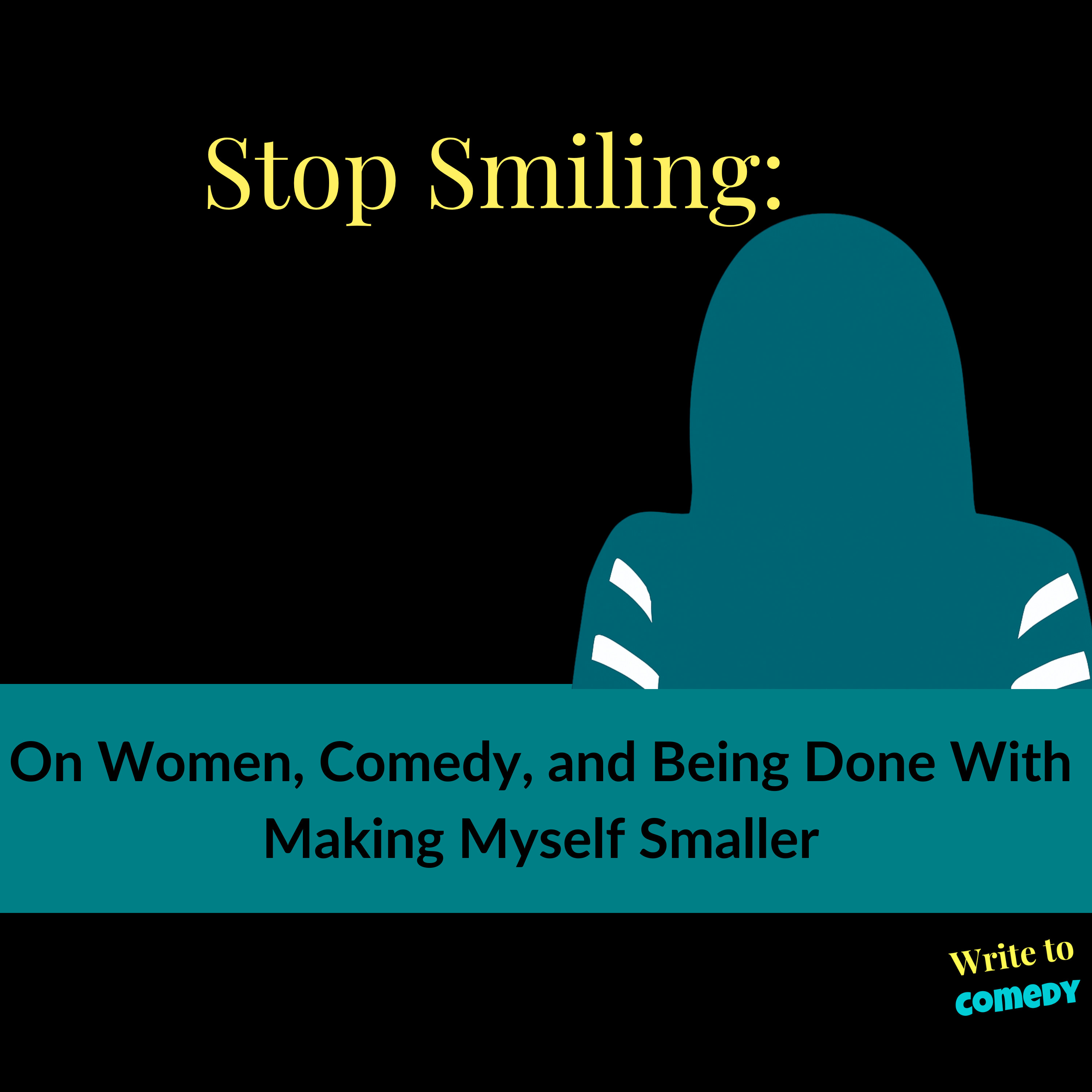
Stop Smiling: On Women, Comedy, and Being Done With Making Myself Smaller
A personal and cultural look at female anger in comedy, likability, and why women are still expected to smile while challenging the world.
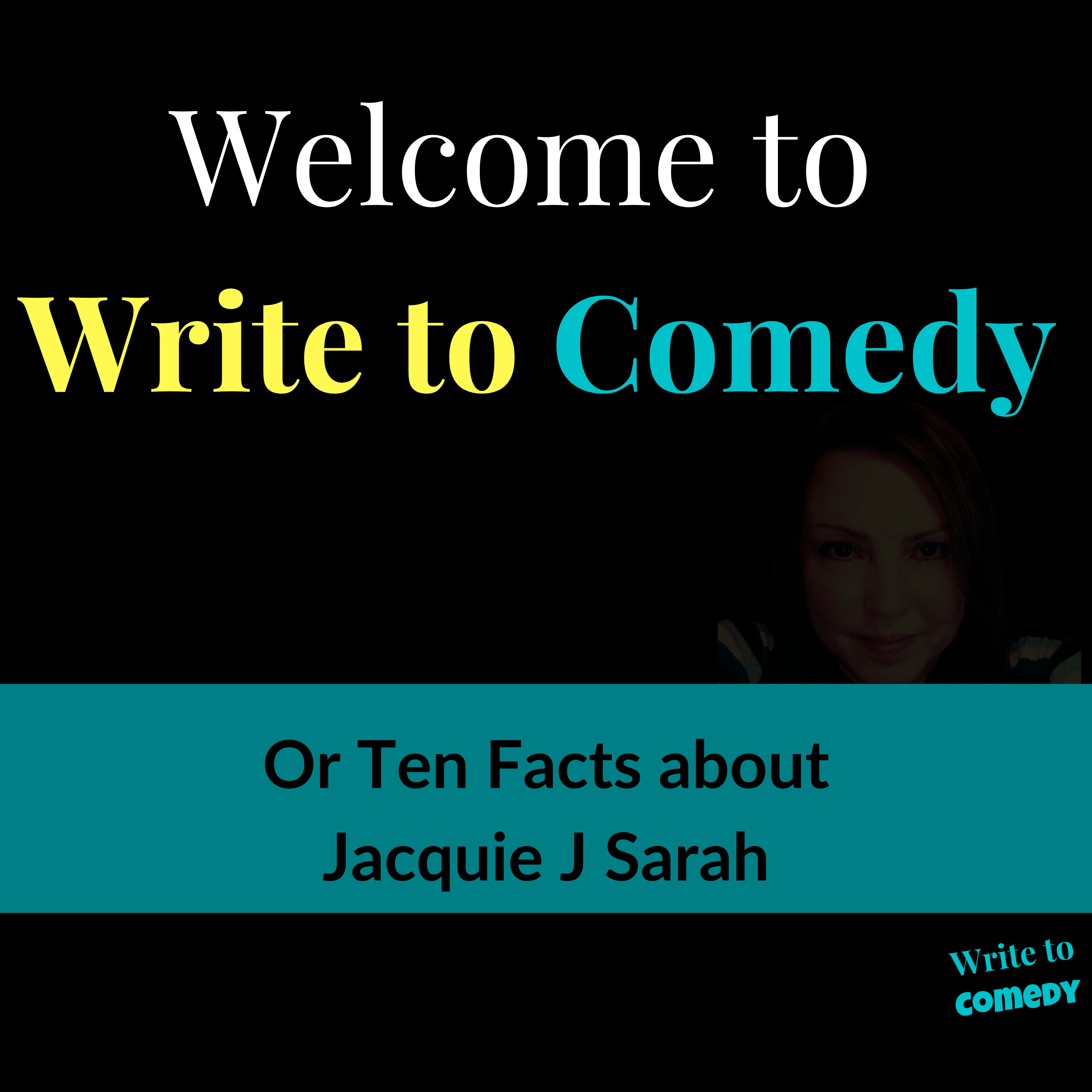
Welcome to Write to Comedy or Ten Facts About Jacquie J Sarah
Let’s start with the truth: I can’t tell you exactly what this blog will become. I haven’t written it yet. But Write to Comedy is where I plan to indulge one of my favourite obsessions - television comedy.
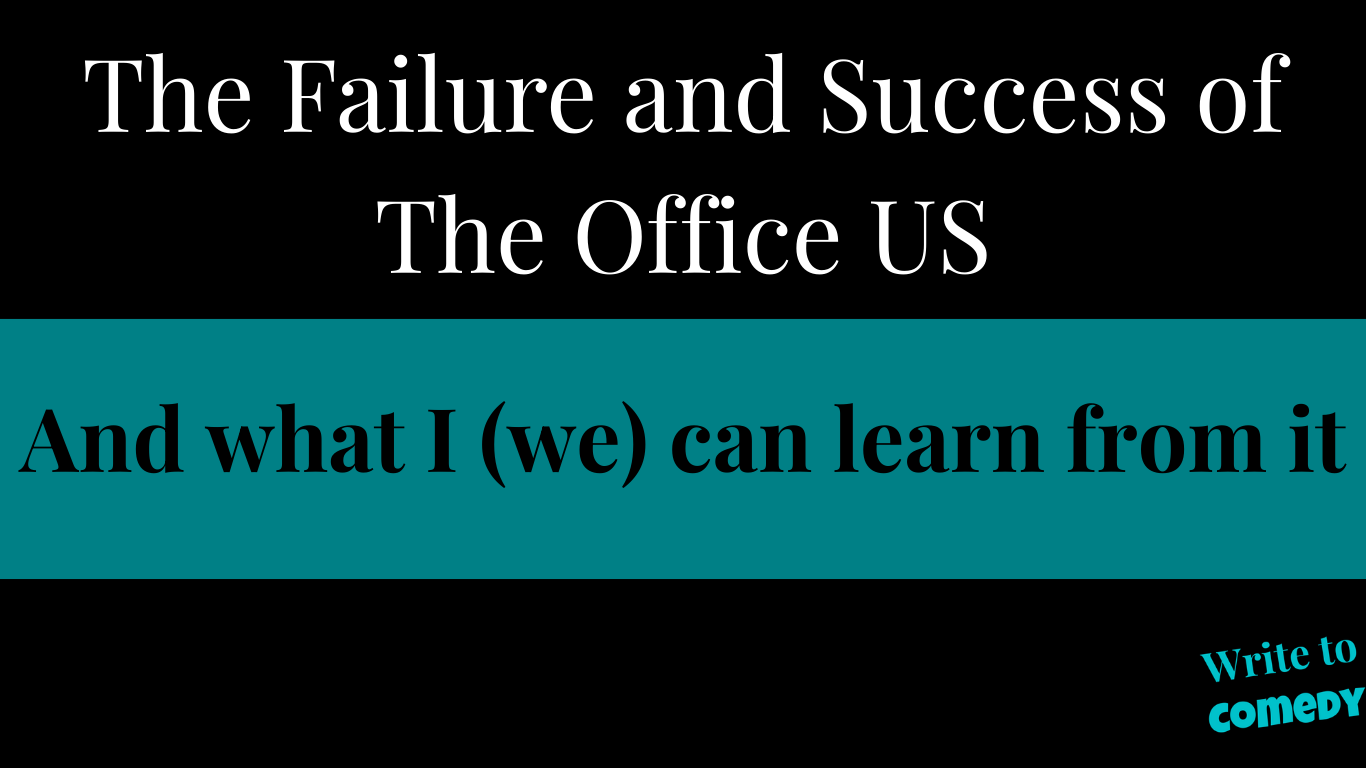
The Failure and Success of The Office (US) And What I (We) Can Learn From It
How The Office (US) went from flop to phenomenon, and what its messy, miraculous journey can teach us about creativity, failure, and finding your voice.
Comedy Through the Cracks
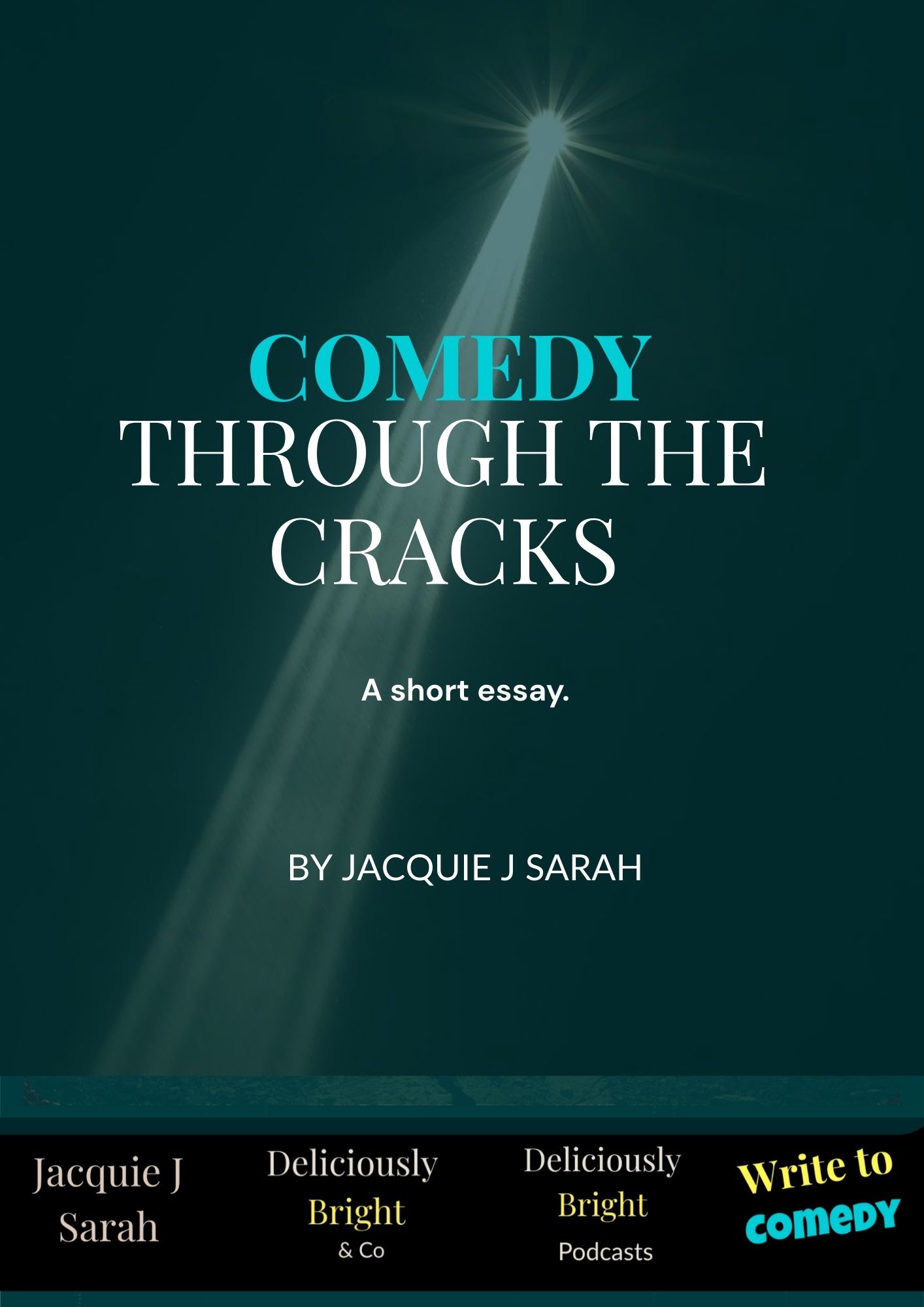
A free exclusive PDF essay.
If life keeps cracking at the edges, you might as well laugh at the draft.
Comedy Through the Cracks is my short, honest take on why comedy endures, and why we need it when we’re one awkward moment away from combusting.
Download it to remember why humour endures (and why we need it more than ever.)